Ingredients, explained
What Is Roof Maxx Made Of?
It is a soybean oil based treatment, a type of bio-oil rejuvenator designed to soak into asphalt shingles and restore some of the flexibility they lose with age.
Here is what that oil actually does to asphalt, and what it cannot do.
- 43years in business
- 1983restoring roofs since
- 20,000+roofs
- Freeroof inspection
- 6-Yearwarranty from Dura-Foam
What Is a Bio-Oil Roof Rejuvenator?
A bio-oil roof rejuvenator is a plant-derived oil, such as soybean oil, applied to asphalt shingles to replace the natural oils that sun and heat bake out over time.
Plant oils are chemically compatible with asphalt, so they can soak in rather than sit on top as a film.
That is the core idea behind bio-oil rejuvenation, and it is well established in asphalt paving as well as roofing.
| Roof Maxx | Dura-Foam Roof Tune-Up | |
|---|---|---|
| What is included | Spray-applied treatment | Inspection, wash, repairs, coating, final check |
| Repairs before coating | Not part of the treatment | Yes, always |
| Flashings and skylights | Not part of the treatment | Sealed before coating |
| Damaged shingle replacement | Not part of the treatment | Yes |
| Who performs the work | Independent local dealers | Dura-Foam, CA license 435836 |
What Does a Bio-Oil Rejuvenator Do to Asphalt Shingles?
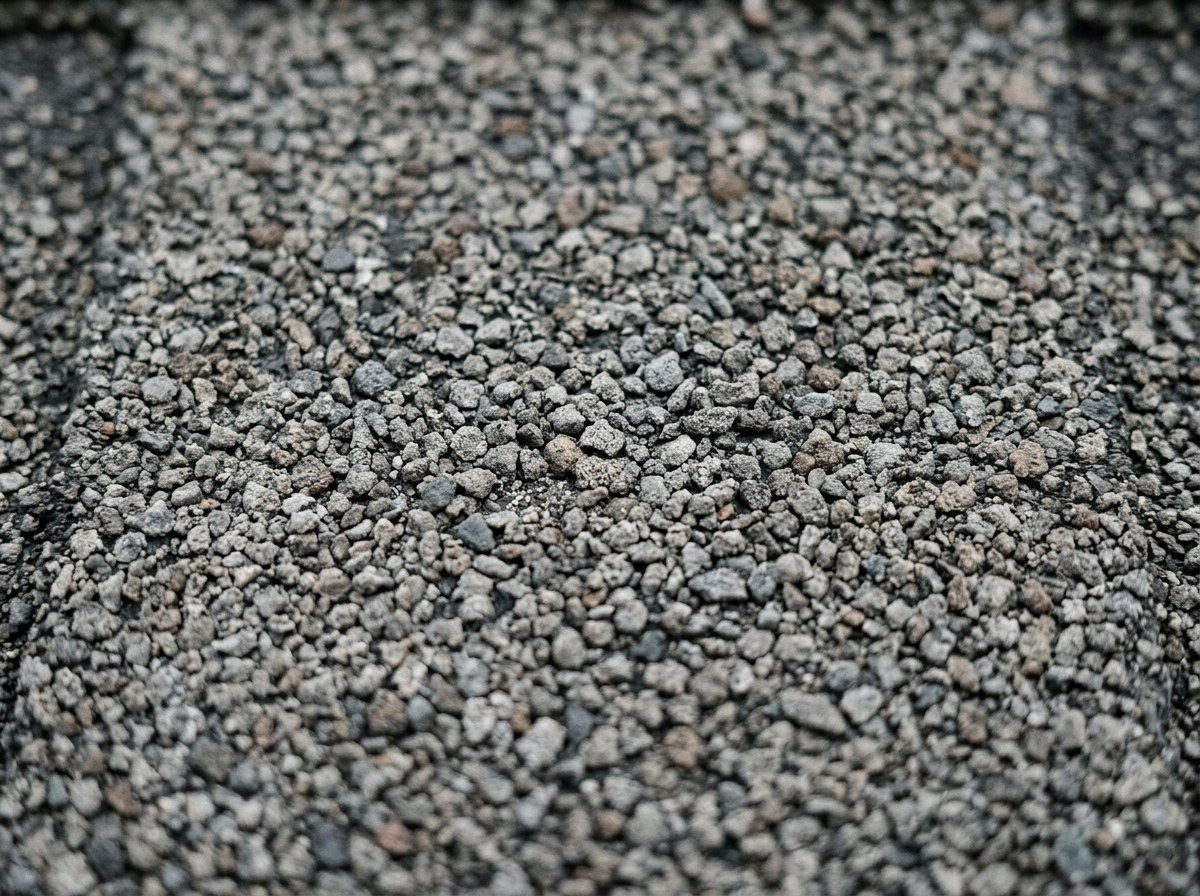
A bio-oil rejuvenator softens dried-out asphalt shingles by replenishing lighter oils, which helps the shingles flex with temperature swings instead of cracking.
Fresh asphalt is flexible. As it oxidizes, it loses its lighter fractions and turns hard and brittle.
Brittle shingles crack, lose granules faster and lift in wind. Restoring oil slows that chain.
- Restores some flexibility
- Helps shingles hold granules
- Reduces cracking from heat cycles
- Works only on shingles that still have life
What Can a Soybean Oil Roof Treatment Not Do?
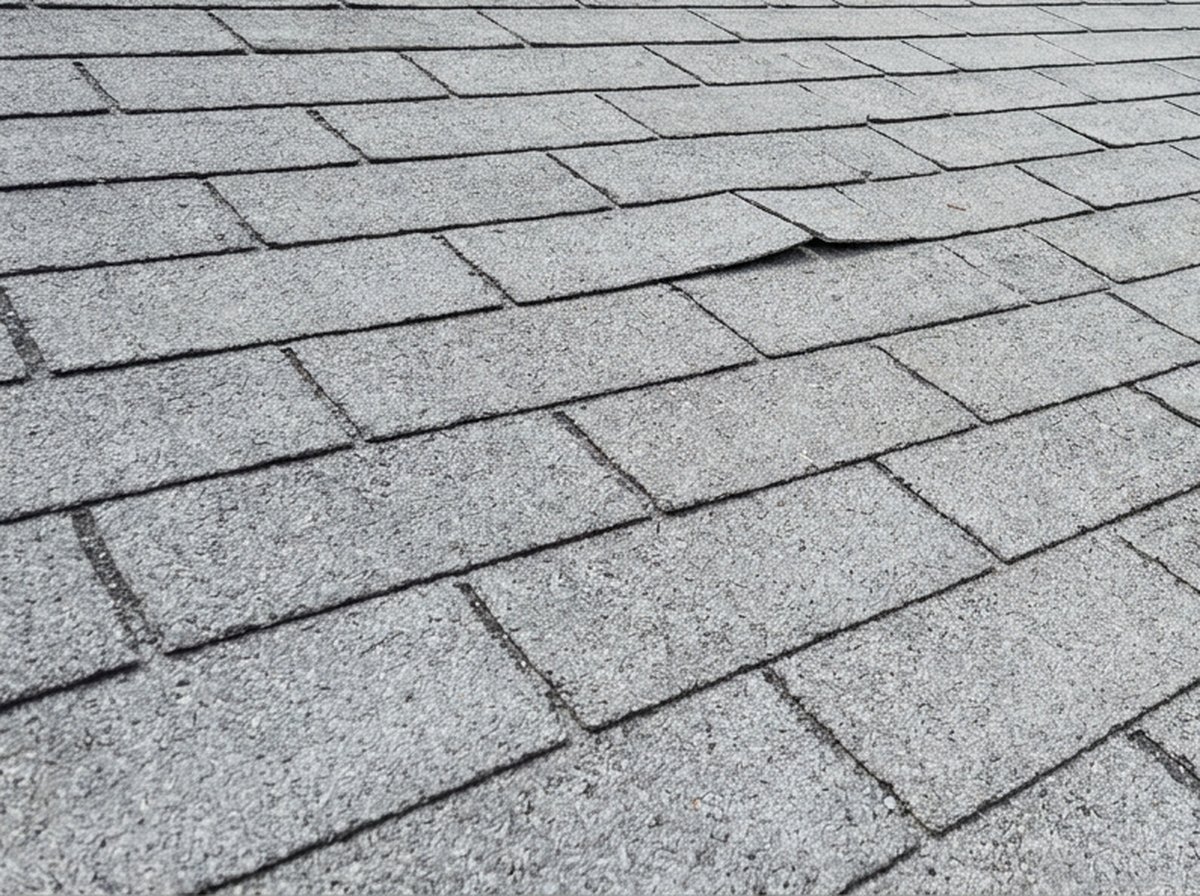
A soybean oil roof treatment cannot repair a cracked shingle, reseal a flashing, fix a skylight or rebuild a roof that is already past saving.
Oil changes the asphalt it touches. It does not change flashings, sealants or rotted decking.
Is a Plant-Based Roof Treatment Safe Around a Home?
A plant-based roof treatment is generally presented as safe around a home, and the best step is to ask your applicator for the product safety sheet before work begins.
Any reputable contractor will hand that sheet over without hesitation.
How Does Our Roof Tune-Up Use Rejuvenation Differently?
Our roof tune-up uses rejuvenation differently by making repairs first, sealing flashings and skylights and replacing damaged shingles, then applying our coating.
Every tune-up is backed by a six-year warranty from Dura-Foam, in business since 1983.
Learn more on our alternative page or read whether it works. Next, see what a repair-first roof tune-up includes or book a free inspection.
Rejuvenator Ingredients FAQs
Is the treatment made from soybeans?
The treatment is made from soybean oil, which places it in the bio-oil rejuvenator category.
Why use a plant oil on asphalt?
A plant oil is used on asphalt because it is compatible with the oils asphalt loses as it ages.
Does the oil sit on top of the shingle?
The oil is designed to soak into the shingle rather than form a surface film.
Does it change the color of the roof?
It can deepen the color of weathered shingles slightly, and results vary by roof.
Will it help shingles keep granules?
It can help shingles hold granules by making the asphalt less brittle.
Can oil fix a leak?
Oil cannot fix a leak, because leaks come from flashings, skylights or damaged shingles that need repair.
What is in your coating?
Our coating is applied after repairs, and we will walk you through it and its safety sheet at your inspection.
How do I see if my roof is a candidate?
You see if your roof is a candidate by booking a free inspection.
Get an honest read on your shingles with a free inspection.